Description
Biodynamic Spirulina
This product’s key features are:
– Direct exposure to sunlight: no greenhouse or photobioreactor is used. This allows the full light spectrum to be utilised.
– The culture medium is in contact with a mineral substrate. No plastic sheeting is used. This prevents the chemical constituents of the sheeting from leaching into the solution.
– Renew the nutrient medium by at least 10% per week. The aim is to minimise bacterial and protozoan flora.
– Over 95% of the inputs by mass are natural or of food origin (in accordance with organic farming criteria). There are no nitrates. No pesticides. The aim is to maximise vitality.
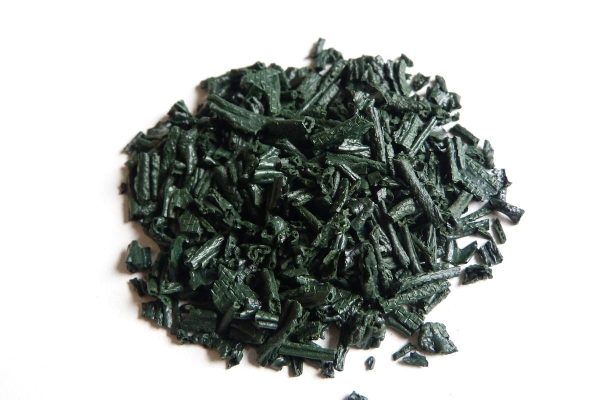
– The spirulina is dried at 43°C to preserve protein and vitamin nutrients, and is rinsed in salt water to eliminate any ‘slimy’ aftertaste and ensure the absence of bacterial flora.
-Cultivation is monitored through chemical analysis as part of rigorous quality assurance procedures in accordance with BPP Spiruline Africa’s ‘SPI’ (good production practices). The aim is to maintain consistent quality.
– Regular microbiological analyses are carried out throughout the year (at least three times a year). The objective is the absence of pathogenic bacteria.
– All harvesting and drying operations are manual. There is no automation and no automatic harvesters. The objective is to achieve optimal quality through constant visual inspection and increased vital energy.
– Spiral-shaped spirulina: less than 1% straight spirulina (microscopic inspection). Objective: stress-free spirulina.
2 – Fair Trade Spirulina:
Co-managed production team: regular operational meetings and discussions between managers and farmers regarding selling prices, wages, quality and production techniques.
Wages for the Burkinabe production team are more than twice the local minimum wage.
3 – Humanitarian Spirulina:
• 10% of cultivated spirulina is donated each month to local health organisations responsible for child nutrition.